Krueger Vaught
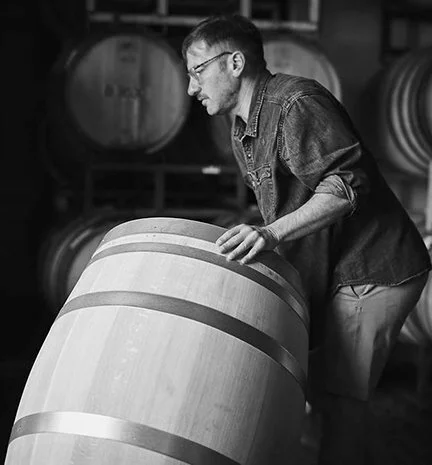
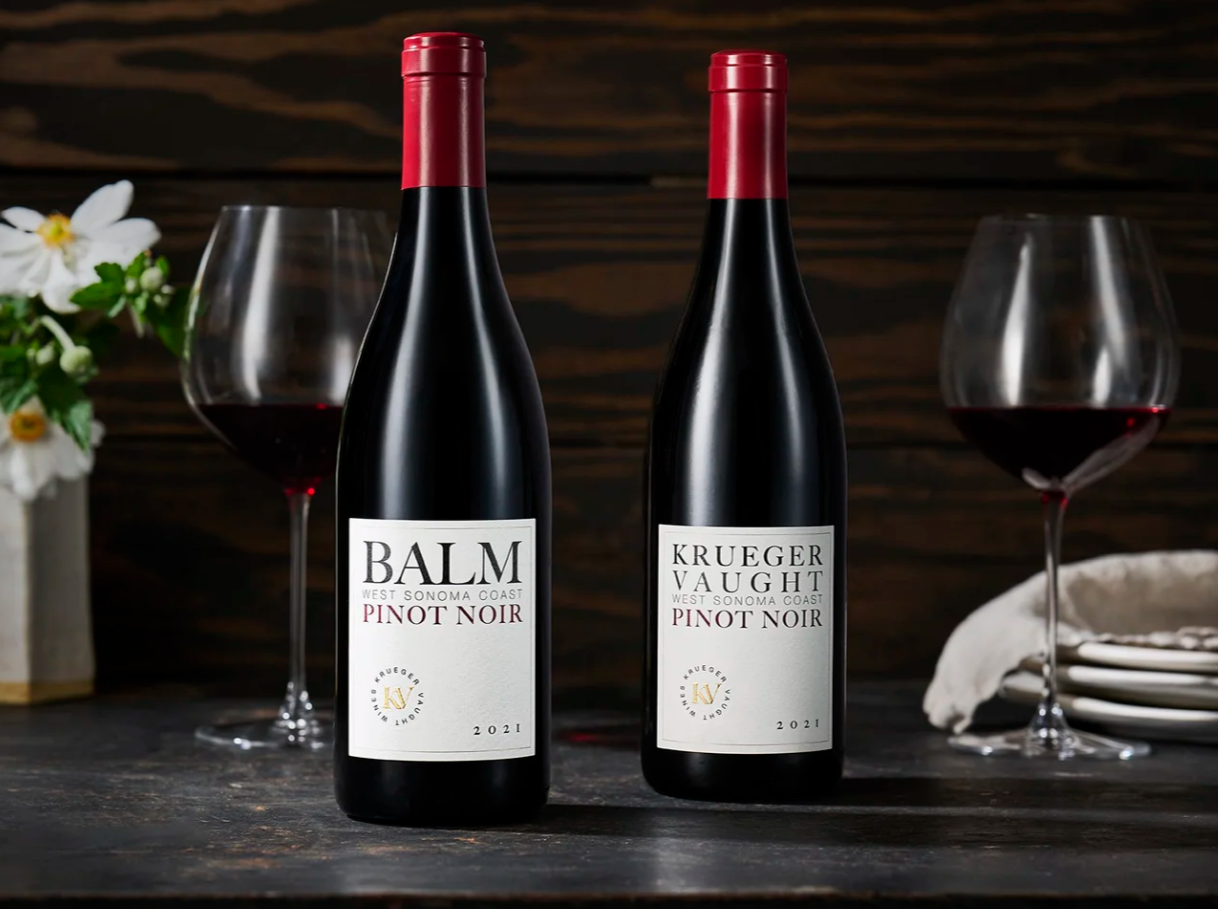
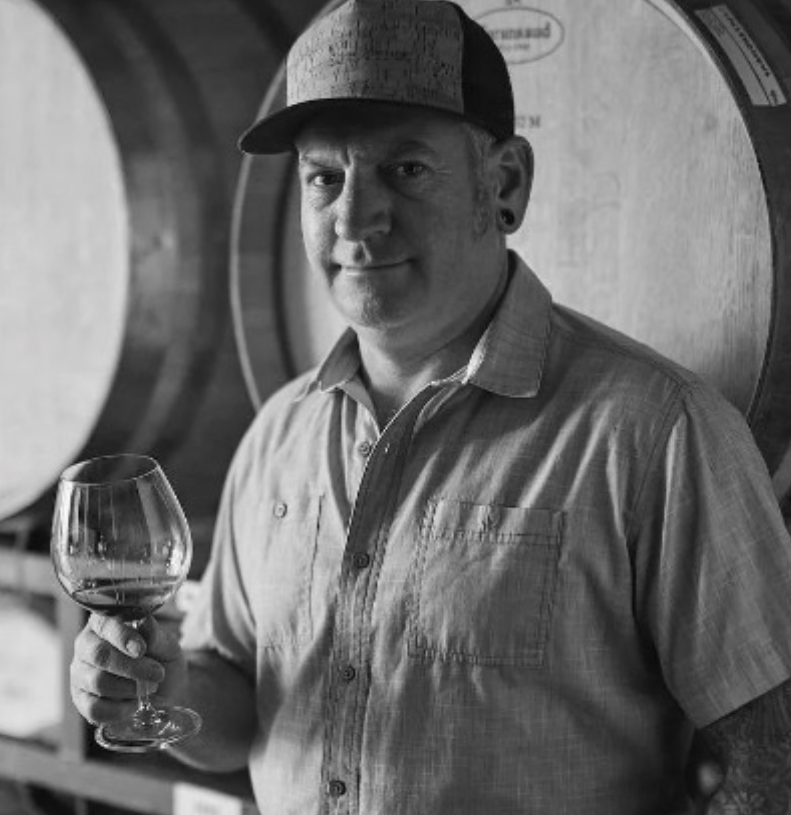
Get the Dirt from owner/winemaker Balm Krueger
“At this scale, every vineyard decision and blending choice remains direct. There is no separation between farming dialogue, cellar work, and final release.”
What was your first vintage year? The first commercial vintage was 2021.
How many cases do you make per vintage? Production has ranged from 100–175 cases annually, with most vintages between 100–125 cases. Growth has been measured and site-driven.
Do you have a Tasting Room? No public tasting room. Private appointments with the winemaker are available by request.
What wine/grape made you want to become a winemaker/start your own winery?
Pinot noir. Its structural transparency and sensitivity to farming and extraction continue to hold my focus. My professional training was rooted in disciplined Sonoma Coast Pinot cellars where restraint, phenolic timing, and balance are central. Krueger Vaught reflects that foundation at a smaller scale.
What varietals do you work with? Which varietal/wine is your favorite to make?
The focus is West Sonoma Coast Pinot noir, with rare micro-lots of Cabernet Sauvignon.
Pinot demands precision—particularly in managing tannin extraction, whole cluster inclusion, and acidity preservation. The goal is structural length and aromatic lift rather than density.
What vineyards do you source from?
For the 2021–2024 vintages, fruit was sourced from a single maritime vineyard west of Occidental in the West Sonoma Coast AVA, approximately six miles from the Pacific.
The site is wind-exposed, low-yielding, and naturally structured. Extended hang time allows phenolic maturity at moderate sugars while preserving acidity and tension.
Extraction is measured and whole cluster is used judiciously to build structure and aromatic complexity. The objective is clarity of site expression and ageability.
What type of oak treatment do you use?
New French oak is sourced primarily from Eric Millard, supplemented by select Cadus barrels. Toast levels are restrained, with an emphasis on tight grain and longer seasoning. Élevage averages 16 months. Oak is intended to refine texture and frame the wine, not to assert itself aromatically.
What do you love about your winemaking region?
Proximity to the Pacific defines these wines. Persistent maritime influence moderates ripening and preserves natural acidity while allowing full phenolic development. The resulting profile is marked by tension, savory detail, and structural integrity. The West Sonoma Coast continues to demonstrate its capacity for age-worthy Pinot noir rooted in balance rather than ripeness.
What’s the story behind your winery name / label?
Krueger Vaught combines my last name and my brother’s. The name reflects shared ownership and long-term accountability to the wines we release.
What's the one thing you wish someone had told you about the wine business before you started your own winery?
That the discipline required outside the cellar mirrors what is required within it. Infrastructure and market placement demand the same rigor as fermentation and élevage.
What’s so great about being small?
At this scale, every vineyard decision and blending choice remains direct. There is no separation between farming dialogue, cellar work, and final release. The wines reflect singular authorship and deliberate restraint.
How do you view the future in the wine industry for small-lot winemakers?
There will always be a place for producers focused on site transparency and structural precision. Small lot wineries can maintain clarity of style and respond thoughtfully to vintage variation.
Do you ever get tired of drinking your own wine?
Throughout élevage I taste analytically. After a long day, I may reach for a Trumer Pils.
If you could choose another wine region to work in, what would it be?
Anderson Valley. Its cool-climate structure and aromatic restraint align naturally with the coastal profile that defines my work.
For more information about Krueger Vaught wines, please visit their website or follow them on Instagram.