
Get the Dirt
on Hard to Find, Ultra Premium, Micro Wineries


The Garagiste Festival is different from other wine festivals. Here are eight things you may not know about us...
No other wine event lets you taste this many varietals and styles all under one roof.
Most other wine events focus on a single region or certain varietal (Pinot Noir, Cabernet, Rhones, etc.), but not The Garagiste Festival. This is the widest range of wines available in one place anywhere, including Pinot Noir, Cabernet and anything else you can think of and from all over California - Paso Robles, Napa, Sonoma, Santa Barbara, Mendocino, and more….

Most of us don't remember the first time we tasted wine. Those of us who have been drinking it a long time would most likely be horrified if we re-tried that first sip. Perhaps it was Boone's Farm, Beringer White Zinfandel (guilty) or even a bottle of 2-Buck Chuck. Or maybe you're one of the lucky few who's parents let you try it when you were a kid. (Another reason to love the French and Italians.) Hey, we all have to start somewhere. There's no judgement here. Most likely we don't really recall the wine, because there was nothing about it - besides the way it ultimately made us feel (thanks Alcohol!) - that wowed us. That made us think it was anything special. And then it happened. That one wine that turned your palate upside-down with pleasure, that made you actually THINK about what you were drinking and perhaps for the first time, actually SAVOR it.

What's the big deal about small production? What difference does it make, and who really cares how much wine a winery makes?
We know that "craft beer" has re-shaped the brewing industry, but what does that really mean when a "craft" producer such as Sam Adams makes over 2.5 MILLION BARRELS per year? And garagiste winemakers are making about 60. Not sixty million or sixty thousand. Sixty. Six-0…

Here's where the story goes: Our first vintage turned out pretty well. We made a barrel of Cabernet Sauvignon, and when that went smoothly, we followed it up with a barrel of Syrah. We learned some lessons (like what to do when your fermentation smells funny, among other things) and yet ended up winning a Gold Medal from the Winemaker Magazine Competition (the largest amateur competition in the country). There was no looking back. We were hooked.

My friends and I make wine in a garage. Okay, it's a nice garage, and we have an air conditioner in it, but it is still a garage. Sometimes I stand and stare - glass in hand - at the barrels, the blue drums, the kegs, the carboys, and all the other crap we've accumulated over the last three years - and reflect on how we got here.

“Fresh-Cut Garden Hose!” In the documentary Somm, that phrase is used as an aroma descriptor for a wine by one of the Master Sommelier candidates. Really? I don’t know, call me crazy, but I have a hose and a garden and yet would still be challenged to recognize that aroma in a glass, let alone in real life…

It seems once wine captures your heart there’s a sizable, and ever-growing, group of wine lovers who get bit by the wineMAKING bug as well. The Garagiste Festival is proof of that.

“Grenache is a varietal that is intensely aromatic, sexy, feminine, bold and always full of surprises”. — Mikael Sigoiun
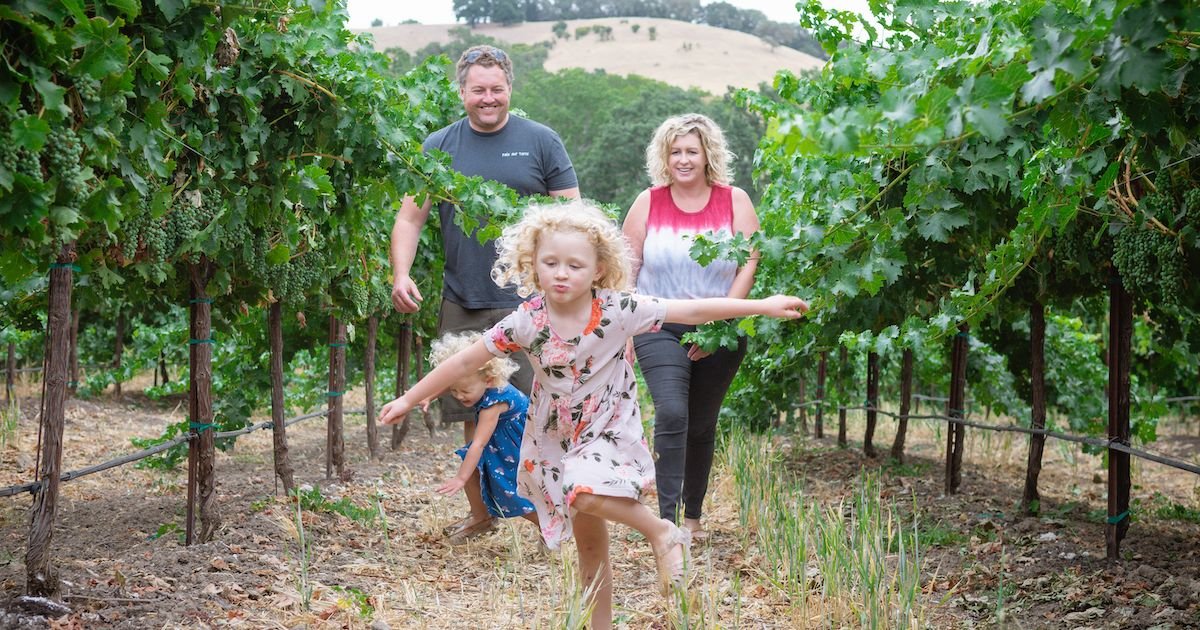

“We chose a vineyard in Templeton in the Paso AVA because we love the pioneering spirit of the wine industry in this area. For logistical reasons, we like the fact that it's almost exactly half way between LA and San Francisco. Also, Templeton is a quiet, unassuming little place. Nobody would suspect that world changing forces are at work here. By the time they realize, it will be too late. Enough about that, though.”
– Ray Schofield

Small producers have undeniable focus, laced with exciting stories of small scale production.
— Ethan Etnyre

“Jean & Larry Rowe were both in the computer industry. Jean is a serious photographer and Larry spent many years working on digital media and entertainment applications. So, it was natural to think about color spectrums and related terminology. Jean created the tag line “Wine is neither black nor white. It’s always shades of grey” that perfectly captures the notion that winemaking requires constant attention to detail and continuous adaptation to the grapes produced each year.”

“We work with Syrah, Grenache, Mourvèdre, Grenache Blanc and Viognier. We have plans to also work with Cabernet Sauvignon, Petit Verdot, Chardonnay and perhaps Pinot Noir in the future. Our winemaker is especially passionate about Syrah for its dark fruit flavor, peppery finish and gorgeous full body.”
– Anita Kothari

“I specialize in Petite Sirah and blends using that grape. It’s just so versatile based on location, farming practice and winemaking style. I also use Syrah, Grenache, Tannat and Petit Verdot in my red blends, and sometimes as single varietal bottlings, depends on the vintage. I make a Viognier as well with grapes from the Caliza Vineyard.”
– Matt Villard

“The name says it all. We are all about family and this passion project is my attempt to integrate my wife and children into my daily life and, hopefully, create some sort of a legacy that they will want to be a part of as they get older. I want the smells of harvest to be one of the smells that they remember vividly from their childhood. The labels are just fun little works of art. Some people think I’m crazy for having such a weird and wild label like Boomshakalaka but I am far more focused on the wine inside of the bottle and letting it speak for itself.”
– Mark Ferguson

“Knowing where your food (and wine) comes from is an important aspect for consumers, especially here in California. I see more people becoming interested in the stories behind their wine; the people, the area, etc. and appreciating small-lot wines made with intention and quality.”
–Riley Hubbard

“ I love that it’s still small in Dry Creek and a little below the radar for Cabernet unlike Alexander Valley. Russian River gets all the credit for Pinot. Dry Creek sits quietly in the middle growing more Cabernet than Zinfandel, even though everyone thinks of Zinfandel when they think of DCV.”
– David Scheidt

“Through the necessary rose-tinted glasses of a small business owner. The consolidation of the distribution market has made wine sales increasingly cutthroat and competitive, hindering the smaller producers, while at the same time the market demand for artisanal products has risen dramatically, giving the local winemaker spotlight and attention. As long as consumers continue to demand wines with soul and stories, there will always be a place for the independent small-lot winemaker.”
–Taylor Bodstun

“The vineyard is located on the land of Pomo natives and we choose a Pomo name to honor the history of the place, Powicana or red clay earth. The label illustration is a rendering of a view of the vineyard.”
– Zoubeida Zajac

“ My favorite is Tempranillo. The wines are dark, full of tannins, and surprisingly acidic. When young they are fresh and fruity yet when aged have connotations of tobacco and leather. It’s great for blending. It’s very versatile variety and it ripens early!”
– Mark Welch

“Cab Sauv is my fave as it's the wine that inspired me to start my own label.” — Dusty Nabor

“Volatus means flight in Latin. My background is not wine but as a Navy pilot. I flew FA-18 Hornets and Super Hornets for the Navy and served two tours as a TOPGUN Instructor. When I started the wine label I wanted something aviation related but not immediately apparent. Over the years we have made the Volatus label more and more about aviation and flight and the branding works very well.”
– Hal Schmitt

“At Monochrome, we are focused exclusively on white wines. In 2016, we worked with Chardonnay, Sauvignon Blanc, Marsanne, Roussanne, Viognier, and Albarino. In 2017, we are planning to add Chenin Blanc to that list. We have enjoyed working will all those varieties, and don’t really have a favorite yet. In 2016, the Chardonnay was probably the most fun, as we broke it up into a lot of very small components, and took different approaches with each of them.”

We never get tired of tasting our own wine, however, it is important to also taste other wines to keep our palate in tune. Dipping into our inventory is purely a form of quality control!
— Roger Nicolas

“Grenache is my favorite. It loves to give. It is big fruited, bright when it’s not overripe, has guts but can be complex, and likes our sunny climate. “ — Dennis Sharpe

Paso Robles is very special to us not only because the climate allows us to grow top quality grapes; but also because Paso is rich with honest and hardworking families. — Enrique Torres
The more I learned about wine, the more I want to know. I fell in love with the nuances between different regions and different winemaker styles.
—Maria Stolo Bennitti

“Pedro started by making small batches of wines with friends. He eventually studied enology at UC Davis and graduated with a Winemaker Certification.”
–Vicky Vargas

“We are named the vineyard and wines after our daughter Marin who was 6 years old when we initially planted the vineyard. She worked / played alongside of us as we developed the vineyard and she grew up with it. She recently graduated from Cal Poly San Luis Obispo this summer with a degree in winemaking and has been our winemaker for over a year.”
– Duane Wolgamott

“We fell in love with the industry when we lived in San Francisco when my husband and I were first married. We'd go up to Napa and stay at working vineyards. We knew this was something we wanted to do. We then moved to southern CA, and when we found our house in Malibu, there was a vineyard across the way and we knew we could plant there. We planted our first crop in 2001 and harvested from there in 2004.”
–Carol Hoyt

“As an avid wine lover, I was constantly on a quest for something better. I wanted elegance, body, and boldness in our wines. I wanted wines I would be proud to offer to our friends and family. This led to a fun, weekend hobby that gradually grew into home wine making and then evolved into wine that matters.”
–Erick Allen

“We love Paso because we have strong roots in the community and have been here for a long time. We have seen Paso and our county as a whole blossom right before our eyes into a world class wine growing region and a popular destination spot without all the hullabaloo. The people for the most part are humble and hard working, yet relaxed and easy going and we feel that is reflected in our wines.”
– Kate DuBost

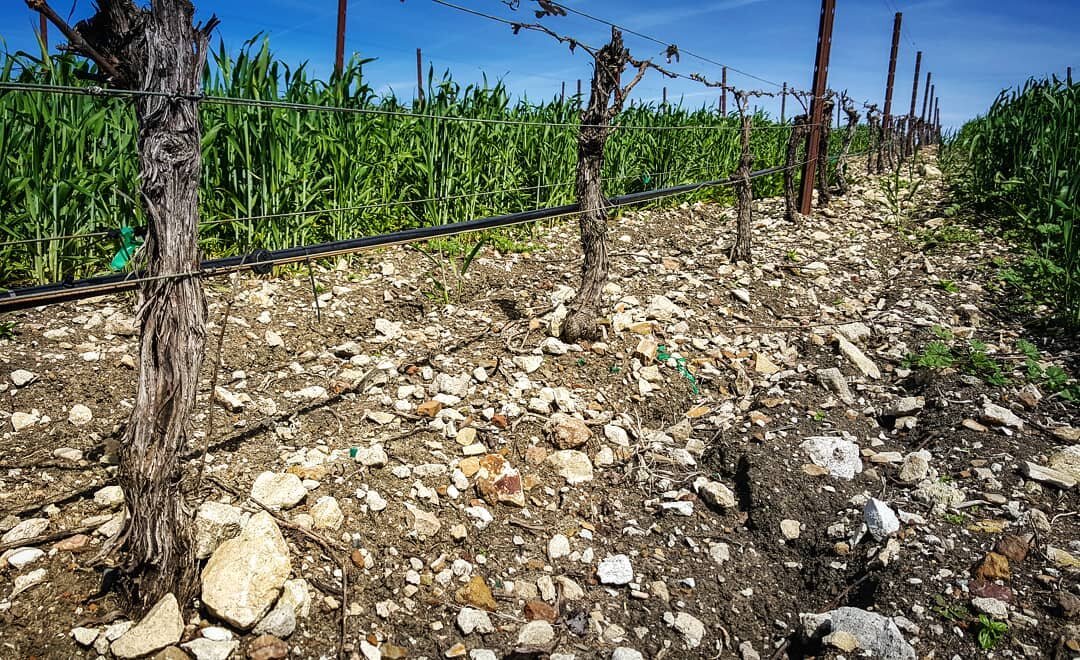
“We choose to use the name Caliza for our winery as in Spanish it means limestone. It is the limestone based soils of our own vineyards, and much of Paso Robles area that makes for our great wine growing conditions. I felt that by choosing a name that always reminds us that the wines we produce begin in the vineyards and it is these special soils that give us much of the character found in our wines.” –Carl Bowker

“My wife, Pamela, and I married in 2008 and became a blended family, with 7 children, our 7 angels. Ironically our two families have known each other since our children were small. Pamela and I found each other because, we believe, that angels had their hand in it.”
– Greg Martin

“Alta Colina means “high hill” in Spanish. Since we’re all estate we wanted the label to be about our hilltop property. The steep hillsides and altitude are major factors that set Alta Colina Vineyard apart.”
– Bob Tillman

“Cambria is home to far more cows than grapevine. We love the idea that we’ve established a vineyard in an area of California that is most definitely not known for wine! Could Cambria be California’s next Grand Cru vineyard? Only time will tell…”
– Lisa Miller

“Winemaking is the only career I've ever had. I went to school for it, I've been doing it for 15 years, and I can't imagine doing anything else. I quit my day job last year (making wine for a larger company) to focus on Ranchero Cellars. It's been a challenge, but worth everything I've given it. “
– Amy Butler
ARCHIVES
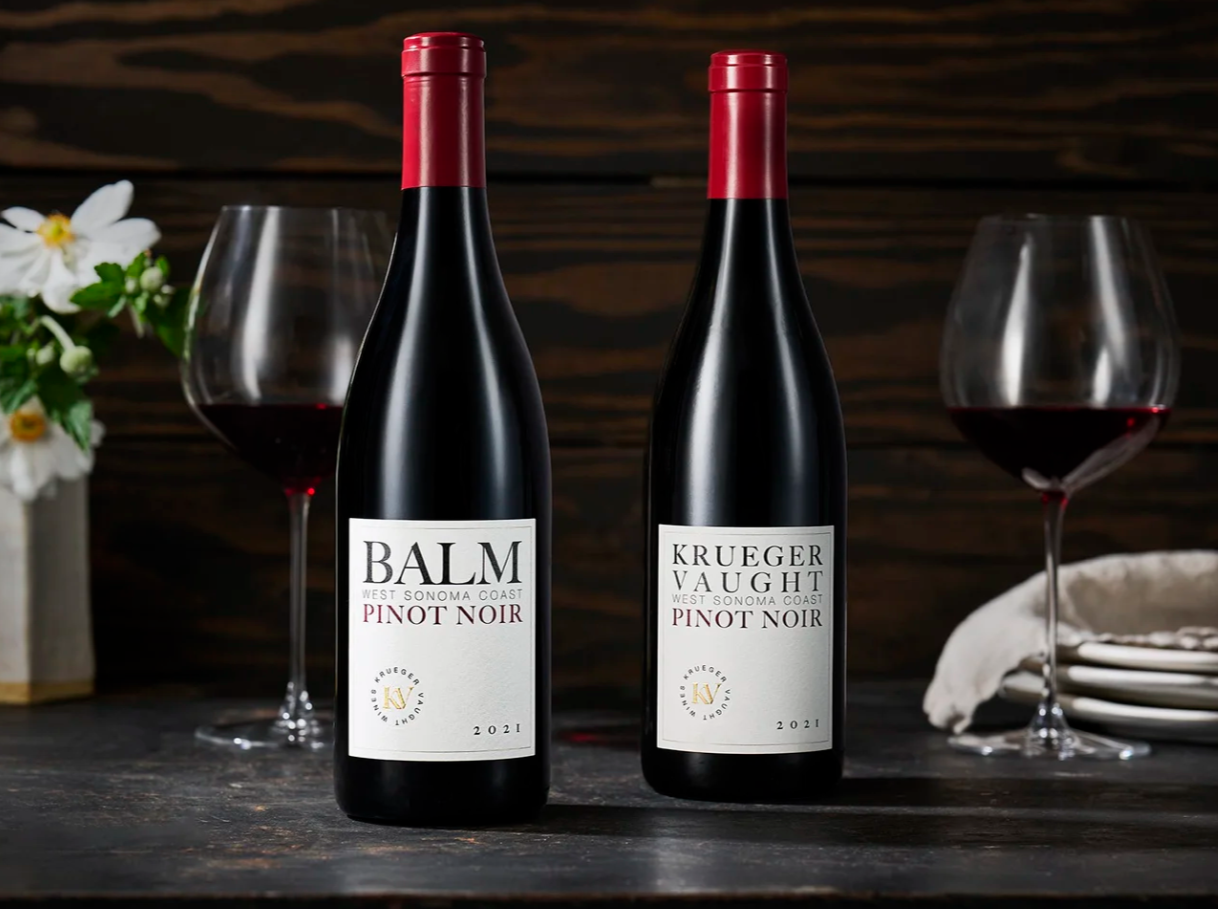
“At this scale, every vineyard decision and blending choice remains direct. There is no separation between farming dialogue, cellar work, and final release.” — Balm Krueger
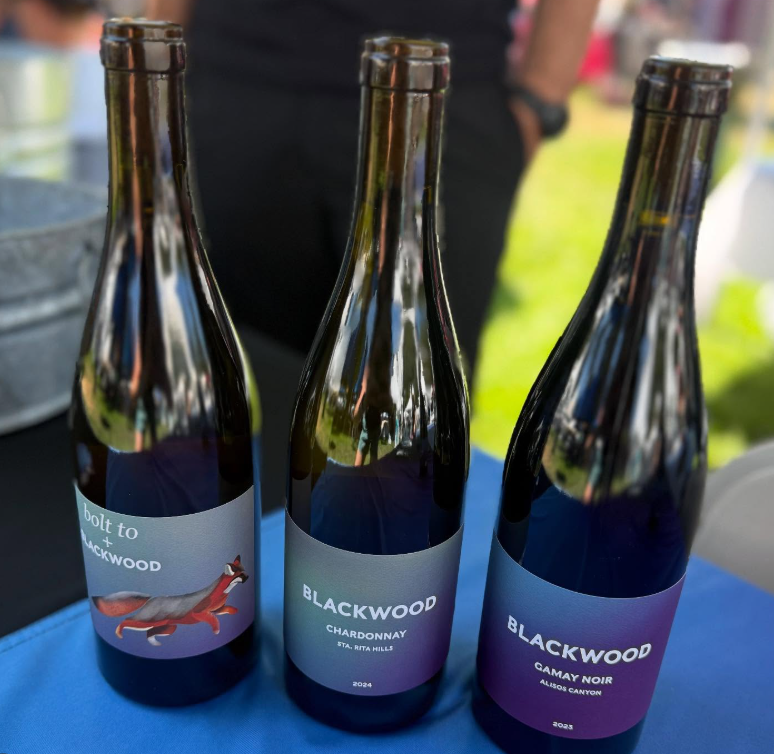
“We get to do this for fun. We have the flexibility to learn and experiment with new varietals and new methods to see what we want both explore and refine. I think that’s where the future is.” — Peter Mechenbier
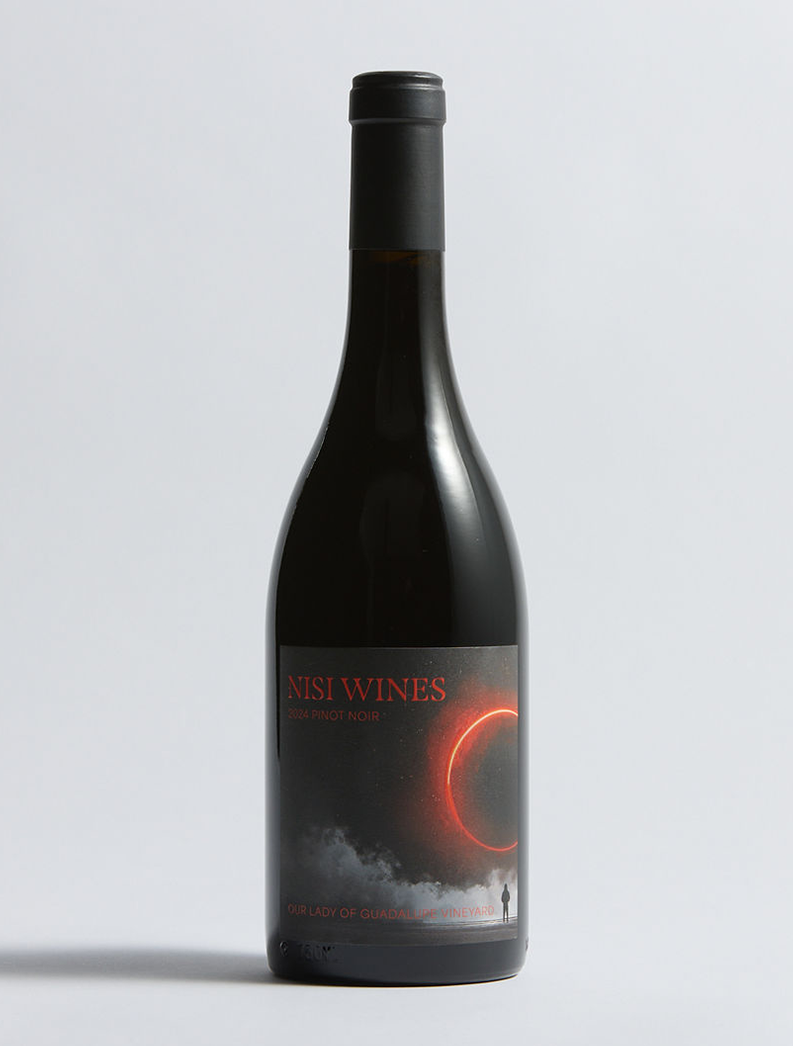
“Nisi is about the continual pursuit of evolution and refinement. My labels incorporate a spiral/enso theme to align with this philosophy as well as a standing figure ("the dreamer") to convey movement towards a goal.” — Adam Edelman
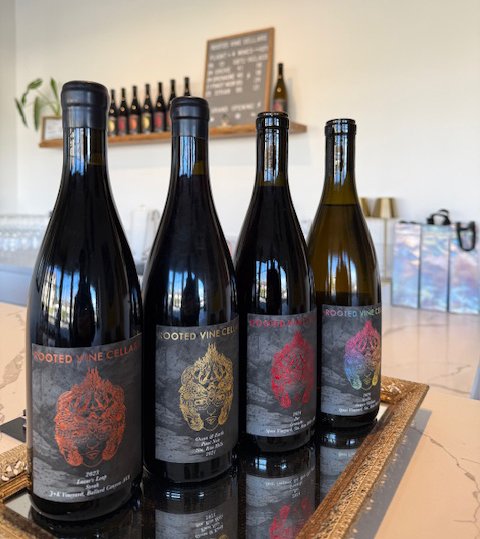
“My commitment to limited production allows me to elevate quality over quantity, ensuring every bottle is a bold, authentic expression of my passion and craft.” — iaon Pohlit
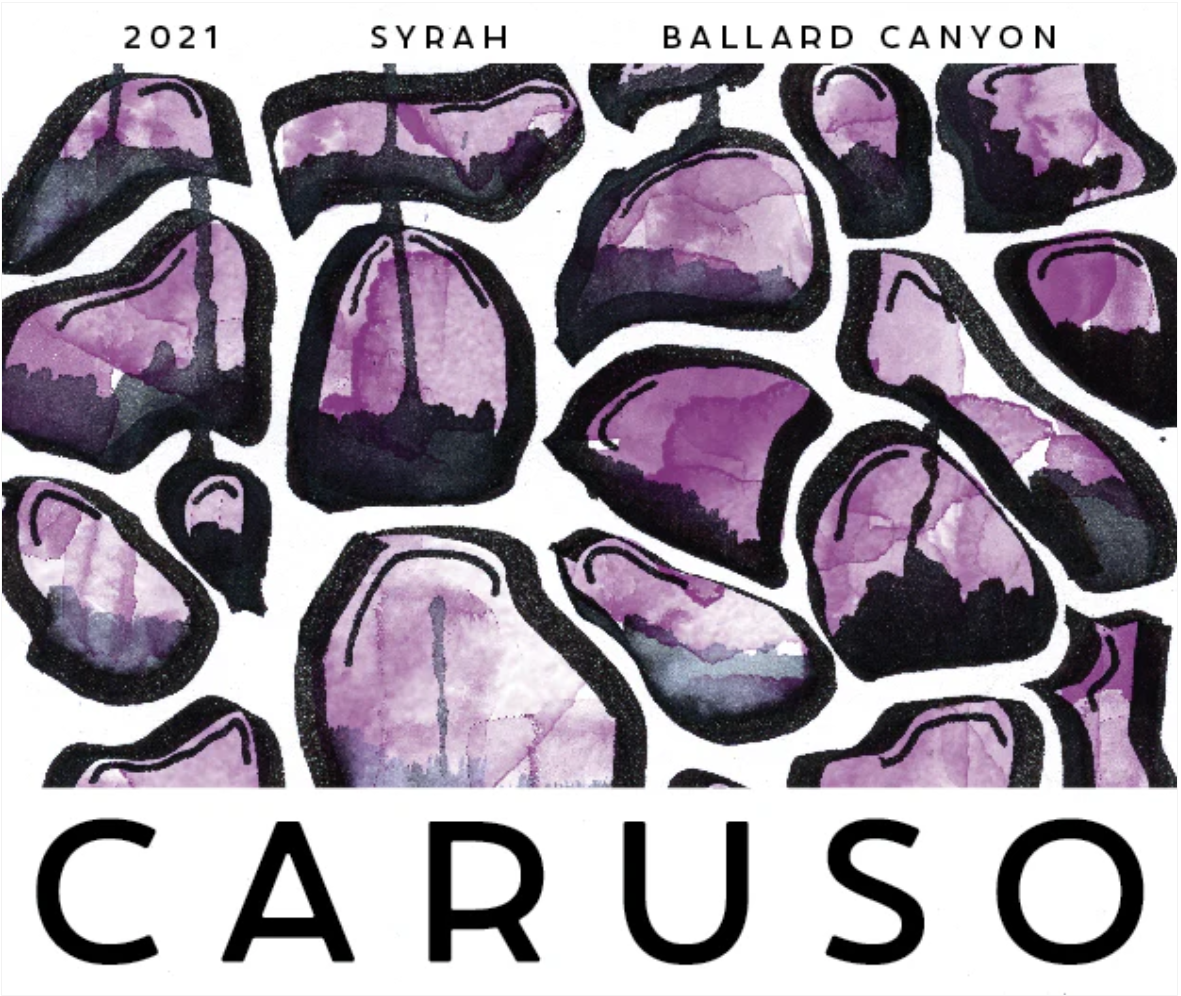
“I make wines with the grapes I love and in a lower alcohol style that pairs great with foods. They are approachable yet complex and thought provoking.” — Chris Caruso
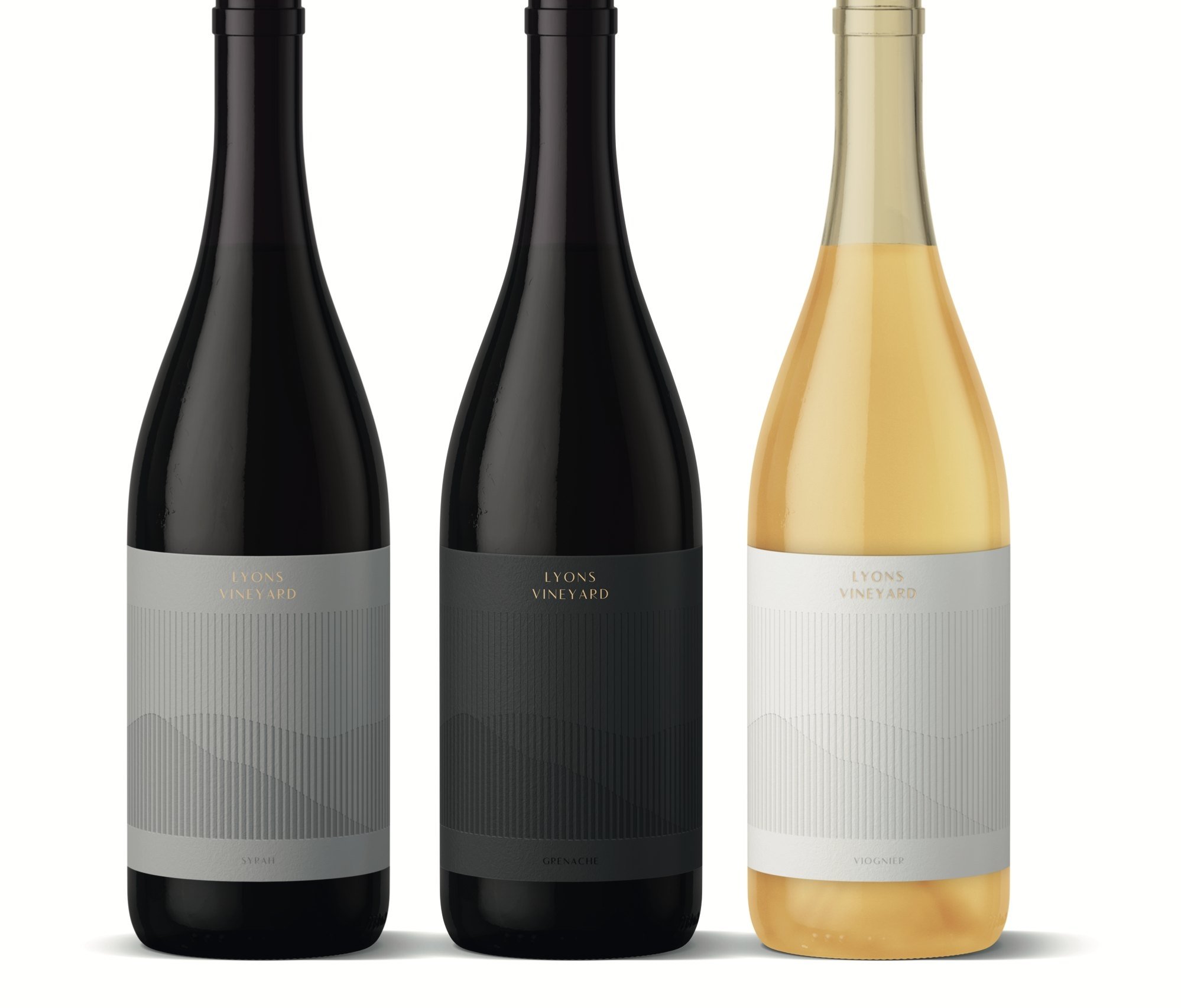
“Our goal is to understand our vineyard at a deep level and let its character come through authentically in the glass. We are truly lucky to be in a place where the wines show their best from the soils, the winds, the elevation, the natural acidity, the long growing season.” — Sarah Lyons
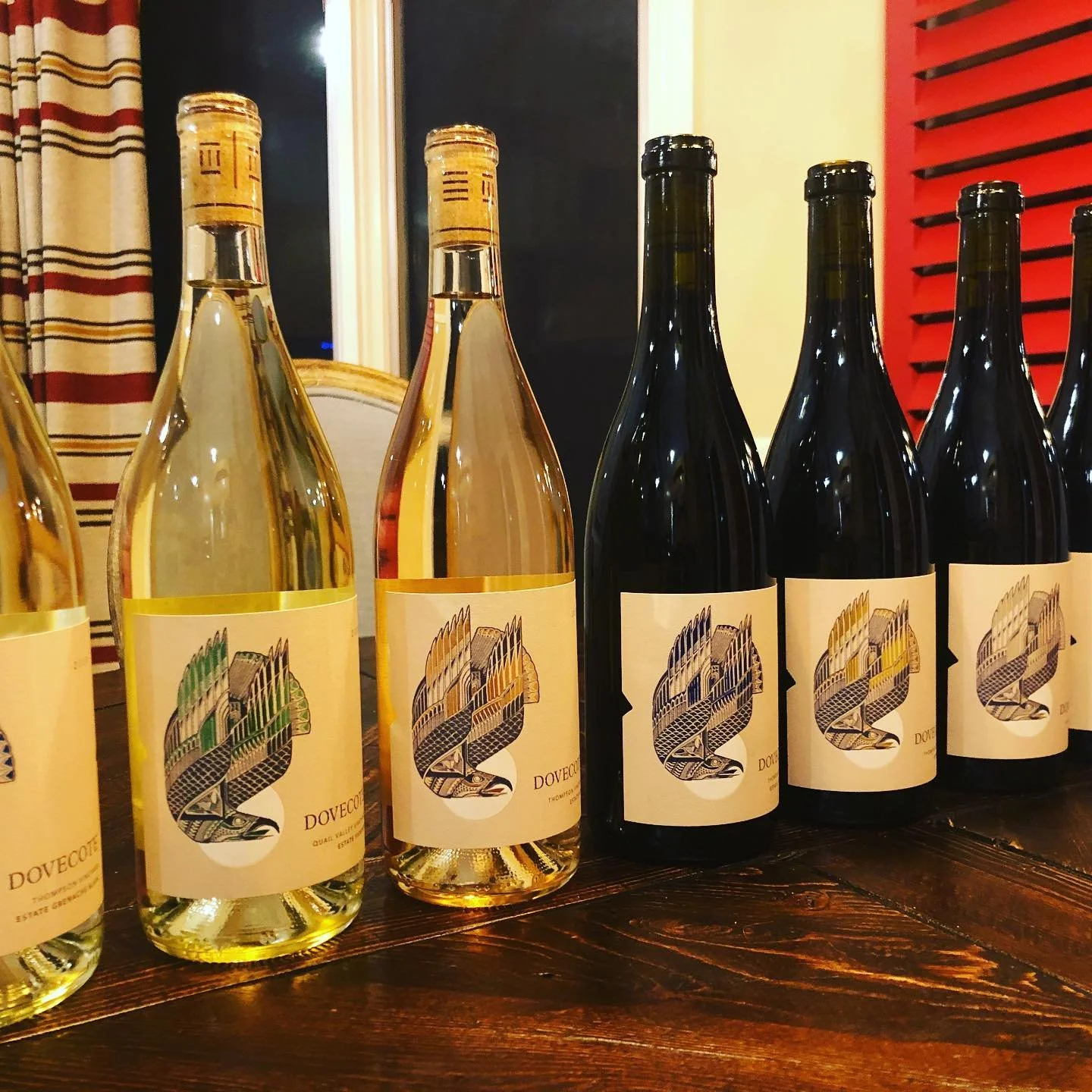
“We never tire of drinking our own wine, because the wines always express themselves in new ways, and spark ideas for how we might want to vary our approach in the next vintage.” — Jon Flores
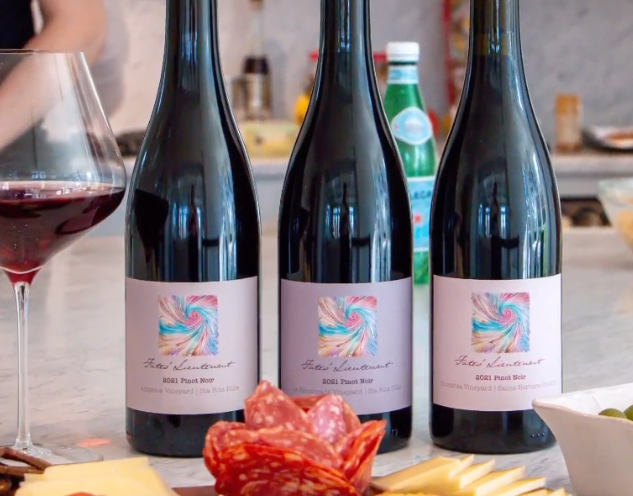
“We harvest at optimal ripeness to preserve vibrancy and balance, aiming for moderate alcohol and bright acidity. Our approach emphasizes native yeast fermentation, gentle maceration, minimal sulfites, and no additives—letting the wine speak without interference.” — Jeff Wooledge
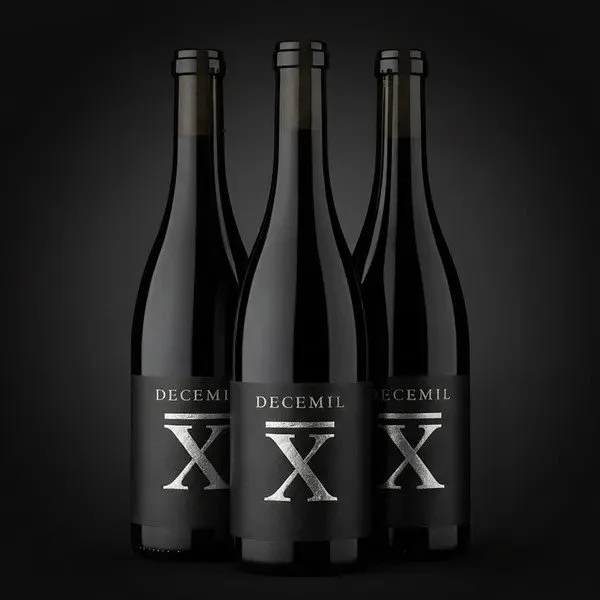
“We are making wine to show the expression of our favorite varieties from our property where we “control” the viticulture as well. We’re intending to stay small and like the idea of growing and making a product end-to-end.” — Jerry Ulrich

“I have worked with many different grapes, but Grenache is the variety that spoke to me when I was in the early days of my wine journey. It’s a variety that I feel is great at showcasing climate and soil, as well as bending to the style of a winemaker with even the slightest of influences.” — Gibson Wagner

“Outside of limestone rich soils, cool nights, and ample daytime warmth for ripening, the people of the Paso Robles region are what make it special. It’s a very collaborative and supportive community of winemakers and vintners.” — Jenny Freck

“Being a boutique winery allows us to harvest each grape varietal by hand and ensure the quality of each wine. We have to be nimble, decisive and are able to focus on every batch. We love working all aspects of the business.” — Fio DeRodeff

“As a small winery, we have the freedom to be hands-on with every detail. We can experiment with rare varietals and unique blends. Because our wine club is intentionally intimate, we are able to engage with members on a more personal level. Creekcut is the result of our life-long dream to create and craft exceptional wines.” — Jason Lamoreaux

“Being small means we get to focus on quality over quantity. Every decision—from the vineyard to the bottle—is intentional and hands-on. We know each vine, each barrel, and each bottle personally, and that level of care shows in the wine.” — Troy LaMar

“We believe Grenache best represents Paso Robles terroir. The variety thrives in our climate and our calcareous, youthful soils bring an energy to the variety that rivals the greatest Grenache wine regions in the world.” — Alex Kemp

“I knew wine was a living thing, but I truly didn’t appreciate how unpredictable the wine-making process is, from vine to bottle. There are so many ups and downs along the way from vine to glass, sometimes making you constantly second-guess yourself. With a couple of vintages under my belt now, I know that they are going to be great wines if I just have patience with the process.” — Ken Wallis

“The best thing about being a small winery is that we can relate to the general public and they can relate to us. We’re just normal people trying to make a badass product that everyone can enjoy. We have the ability to be flexible each year, change winemaking styles depending on the weather, growing conditions, and what the fruit is saying. This isn’t cookie cutter recipe winemaking, it’s intentional, thought provoking, and innovating.” — Taylor Mathiesen

“As a small winemaker, I’m not tied to producing the same varietals year after year. Sapien was designed to sell out every vintage, allowing me the freedom to explore different grapes, blends, and styles annually—something that adds variety in a crowded market.” — Trevor Bethke

“The absolute best thing about being my own small winery is that all the decisions are my own. I can take my nearly 20 years of honing a craft and execute it my way – with careful attention to detail, traditional winemaking techniques, and a more hands-off approach that lets the grapes and the vineyards do the talking.” — Kira Malone

“There are a thousand things I wish I'd been told before getting started in the wine industry, but I think part of the beauty of this industry is the process of learning and growing.” — Alexandra Henkleman

“Our name is a tribute to my job which funds our passion for wine making. We are crafting our story in each barrel of Sequence to become part of your stories with each bottle.” — Jasen Frisby

“To me, the central coast is the best place in the US for winemaking. The climate is mostly mediterranean, which lends to growing many varietals. The warm days help the grapes ripen, and the cool nights ensure the growing season is long. It’s special because everyone there loves the region, is invested in the wine community, and is so friendly.” — Kristin Fione

“Wilson is the family name, so it was easy to settle on “Wilson Family Vineyard” and we are proud to put our name on these wines. ” — Kevin Wilson

“You work all year tending your current wines, studying them as they evolve, learning to understand them. You prepare for the next vintage by getting everything in order for the task. And then harvest comes and the effort is all there! You only get one shot per year to get it right. And when you do, if the conditions allow and your team has had their heart in it… the wines can be sublime.” — Taylor Harris

“The brand is about the gratification we receive in those moments of relaxation after a day of hard work. The slouch hat is our symbol for hard work, but also play/relaxation.” — Matt Fowler

“The culture of Paso winemaking is adventurous, experimental and, above all, incredibly collegial and supportive. Paso is also drop dead gorgeous and it is a joy to live there.” — David Carpenter

“We can choose the varietals, vineyards, winemaking techniques, packaging, etc. Creative control of the entire process makes it exciting to get up and get to work.” — Michael Farmer

“Small lot wine makers are the backbone of the industry, we innovate, we disrupt, and we make some of the best wine in the world.” — Donald Hicks

“We strive for a subtle sophisticated Pinot in the style of a French Burgundy. I work closely with my winemakers on the final blends to produce a wine that is unique and complex and truly reflects my vineyard.” — Suzanne Farver

“What makes working with Pinot Noir so special is how it can truly show a sense of place, seeing the difference from neighboring vineyards or even sites miles away is always a revelation.” — Sam Buckingham